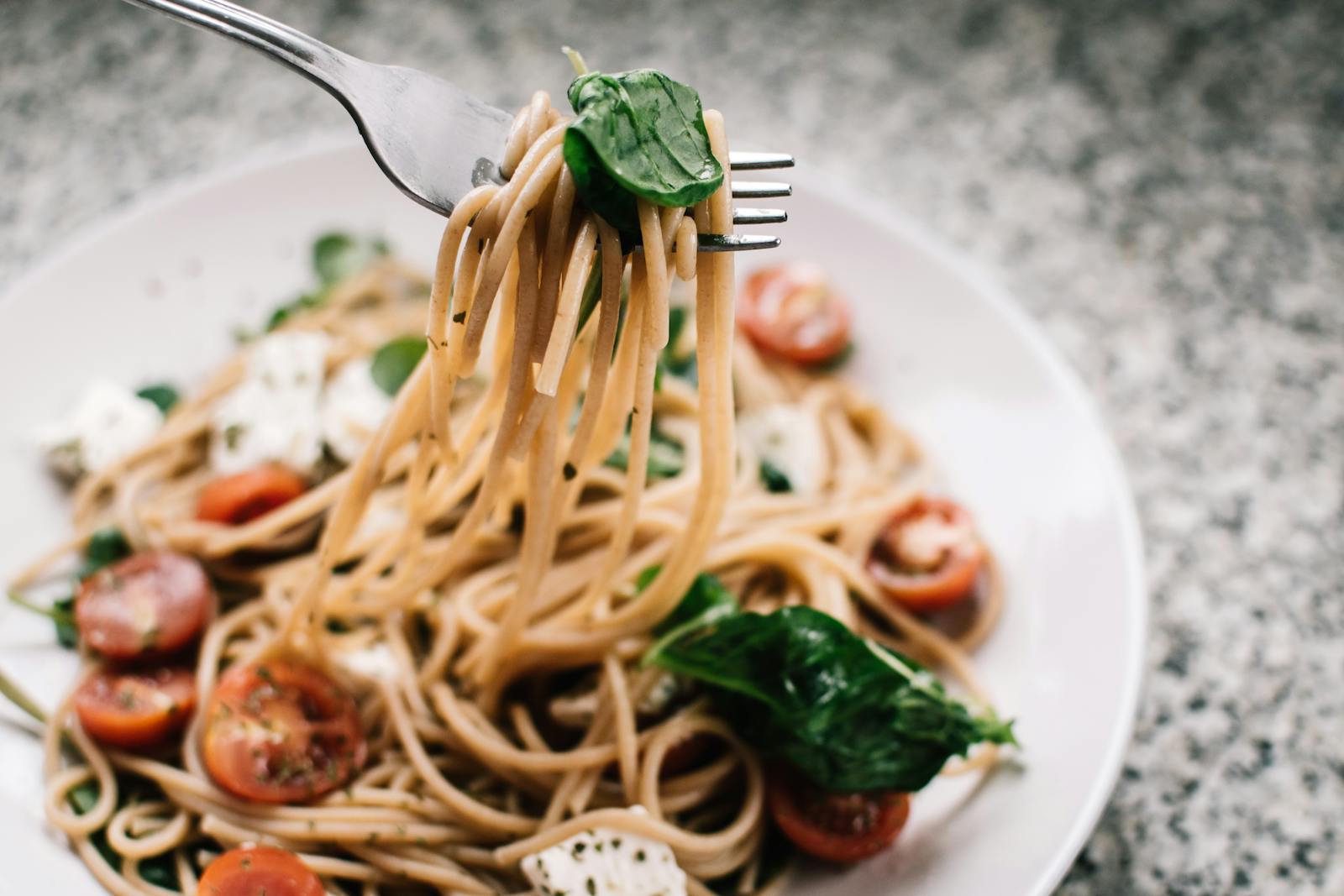
You're Probably Salting Pasta Wrong — The 3-Step Fix That Changes Everything
Most home cooks undersalt pasta water — or salt it at the wrong moment. Here's the quick fix that transforms every bowl.
Key Takeaways
- Most home cooks use 5–10× too little salt in their pasta water — and that's the root cause of flat, disappointing pasta.
- The right ratio is 1 tablespoon of coarse salt per litre of water, added only after a rolling boil.
- Salt affects texture as well as flavour — it changes how the starch absorbs water inside each strand.
- Pasta water temperature matters: salting cold water wastes salt and delays seasoning absorption.
- Saving a cup of starchy pasta water is the single best finishing move — it emulsifies sauce like nothing else.
- Once you nail the salt, a basic 3-ingredient aglio e olio becomes genuinely restaurant-quality.
Here's an uncomfortable truth: the reason your pasta never quite tastes like the bowl you had in Rome — or at that Italian restaurant down the street — probably has nothing to do with the sauce. It's the water. Specifically, it's that pinch of salt you sprinkle in and feel good about, which is roughly ten times less than what the pasta actually needs.
This isn't gatekeeping or chef snobbery. It's pure chemistry — and once you understand it, you can't unsee it. Pasta absorbs the water it cooks in, which means every strand is either drinking in seasoning or drinking in nothing. The fix takes about five seconds and zero extra ingredients. Let's get into it.
Why Salt Matters More Than You Think
When pasta cooks, its starch granules absorb the surrounding liquid. If that liquid is seasoned correctly, the flavour goes inside the pasta — not just on the surface. This is why no amount of sauce poured over unsalted pasta can fully rescue it. The sauce sits on top; the blandness is baked in.
Salt also has a secondary effect on texture. It slightly firms the outer layer of the pasta as it cooks, helping it hold its shape and giving you that sought-after al dente bite. Undersalted pasta tends to turn mushy faster and has a gummy, starchy aftertaste that no olive oil drizzle can fix.
Iodised table salt can give pasta water a faintly metallic flavour at high quantities. Use coarse sea salt or kosher salt — they're less dense, so a tablespoon is roughly the right weight without over-mineralising the water.
The 3 Mistakes You're Almost Certainly Making
Mistake 1: Salting too early (or too late)
Adding salt to cold water is technically fine for the pot itself — salt raises the boiling point slightly, though not in any meaningful way for home cooking. The real problem is that salt added before boiling dissipates unevenly and much of it clings to the pot rather than seasoning the water uniformly.
The sweet spot: wait for a full rolling boil, then add your salt and stir once. This gives you even distribution right as the pasta goes in — which is exactly when it counts.
Mistake 2: Using nowhere near enough salt
This is the big one. Most people add a small pinch — maybe half a teaspoon for a large pot. Professional kitchens use roughly 1 tablespoon of coarse salt per litre of water. For a standard 4-litre pot, that's 4 full tablespoons. Yes, really.
Before you panic about sodium: the pasta doesn't absorb all of it. Most of the salt stays in the water. But there needs to be enough dissolved salt present for the pasta to absorb any meaningful seasoning at all. Think of it less like seasoning a dish and more like creating the right cooking environment.
Mistake 3: Pouring all the pasta water down the drain
Pasta water isn't a waste product — it's liquid gold. After 8–12 minutes of boiling, it's loaded with dissolved starch that acts as a natural emulsifier. When you add a splash to your sauce pan, it binds fat and water together, creating that glossy, restaurant-style consistency that's nearly impossible to achieve without it.
Before you drain, scoop out at least one full cup into a heatproof jug. You won't always need all of it, but you'll be glad it's there. This one habit is the single greatest upgrade most home cooks can make — and it costs absolutely nothing.
The Correct Method, Step by Step
1Fill and boil your pot properly
Use at least 4 litres of water for every 400g of pasta. Pasta needs room to move — crowding it causes uneven cooking and encourages sticking. Cover the pot to reach a boil faster.
2Salt aggressively at the rolling boil
Once the water is fully boiling and steam is rolling, add 1 tablespoon of coarse salt per litre. It will bubble briefly — that's normal. Stir once to dissolve, then add your pasta immediately.
- For 4L water: 4 tbsp coarse salt
- For 3L water: 3 tbsp coarse salt
- Taste the water — it should taste noticeably salty, like a light broth
3Reserve pasta water before draining
About 60 seconds before you drain, scoop out 1–2 cups of pasta water into a mug or jug. Then finish your sauce with a splash of this starchy water off the heat — stir vigorously and watch it come together in seconds.
Want to put these skills to the test against friends? Host a pasta cook-off on Dine With Me.
Browse CompetitionsThe 3-Ingredient Pasta That Proves the Point
The best way to test your new salting technique is with a dish that has nowhere to hide: aglio e olio. Three ingredients — spaghetti, garlic, olive oil (plus that pasta water). No cream, no tomatoes, no cheese. Just technique.
Cook your spaghetti in properly salted water until just under al dente — about 1 minute less than the packet says. Meanwhile, gently fry 4 sliced garlic cloves in 5 tablespoons of good olive oil over low heat until golden and fragrant. Add a pinch of chilli flakes if you like. Transfer the pasta directly into the pan using tongs, splash in half a cup of your reserved pasta water, and toss over medium heat for 90 seconds. The sauce will emulsify, clinging to every strand. Serve immediately. That's it.
The pasta should finish cooking in the sauce pan, not in the colander. Those final 60–90 seconds in the pan are when it absorbs the last of the seasoning and the sauce binds. Draining too early and serving immediately from the colander is what separates a good pasta from a great one.
When You've Got This Down: Level Up with a Cook-Off
Once this clicks — and it clicks fast — pasta becomes the perfect dish for a home cooking competition. It's accessible enough that everyone thinks they can do it, but technical enough that the differences between plates are stark and fun to judge. Salting, timing, sauce technique, pasta shape choice — there are at least five judging criteria hiding inside a single bowl of spaghetti.
On Dine With Me, you can set up a pasta-themed cook-off for 4–10 friends in under two minutes. Set the rules (same base ingredients? any shape allowed? timed round?), invite your guests, and score each dish on flavour, texture, presentation, and creativity. The platform handles the judging format and leaderboard — you just bring the carbs.
Ready to host your own pasta cook-off? Get started free on Dine With Me.
Create Your CompetitionOne Skill, Infinite Payoff
The reason this fix matters beyond pasta is what it teaches you about cooking in general: seasoning is a process, not a finishing touch. The salt doesn't go in at the end to correct a flat dish — it goes in at the start, where it becomes part of the structure. The same principle applies to braises, soups, risottos, and roasting vegetables. Season the environment, not just the surface.
Start tonight. Boil your water, wait for that rolling boil, add four tablespoons of coarse salt to your four-litre pot, and taste the water before the pasta goes in. If it doesn't taste like a light, pleasantly saline broth, add a little more. Then cook your pasta, save the water, and finish in the pan. You will immediately taste the difference — and you will never go back.
And when your friends are round and they ask why your pasta suddenly tastes so much better? Tell them it's a secret. Or better yet — run a cook-off and let them figure it out themselves. That's half the fun.
Related Articles
You're Probably Making Chocolate Chip Cookies Wrong — The 4-Ingredient Fix That Actually Works
Most homemade chocolate chip cookies turn out flat, dry, or just meh. Here's the 4-ingredient fix that changes everything — in under 30 minutes.
RECIPESYou're Probably Making Fried Rice Wrong — The 5-Ingredient Fix Ready in 15 Minutes
Most home cooks make one silent mistake that turns fried rice soggy. Here's the 5-ingredient fix that delivers restaurant results in 15 minutes.
RECIPESYou're Probably Scrambling Eggs Wrong — The 3-Minute Fix That Changes Everything
Most people overcook scrambled eggs without knowing it. Here's the one technique shift that turns a sad breakfast into something restaurant-worthy in 3 minutes.
Stay in the loop!
Get cooking tips, competition updates, and new features delivered to your inbox.
No spam, unsubscribe anytime.